
 By Mobi Roller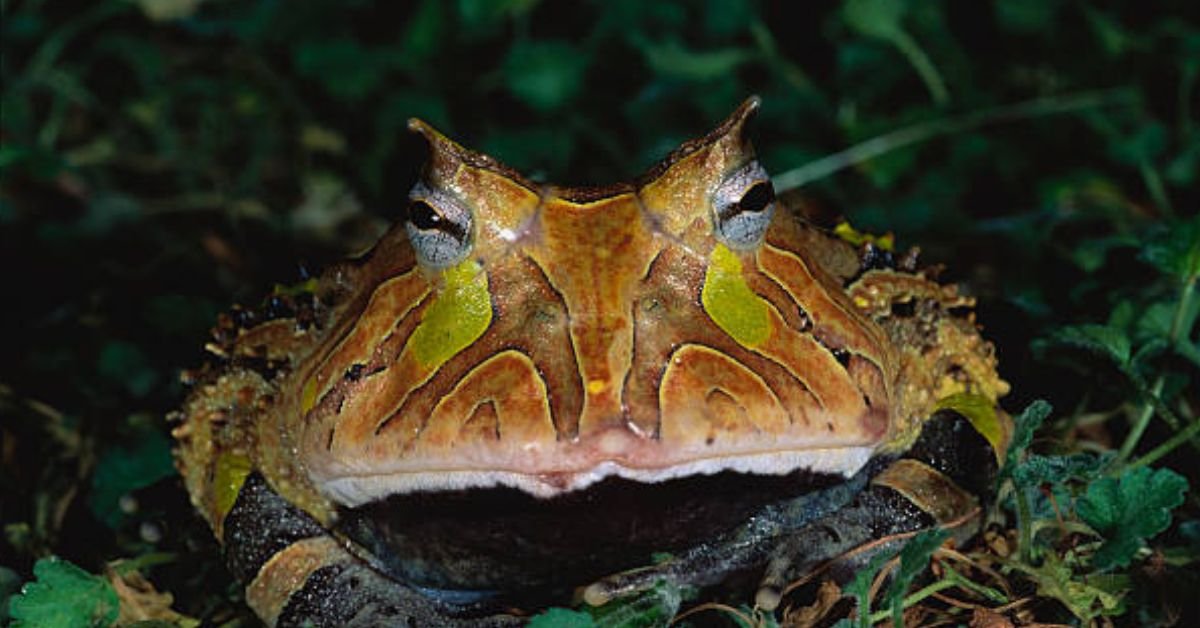
Amazon horned frog habitat is a critical aspect of its survival. These frogs are native to the Amazon rainforest, where they inhabit areas with high humidity and warm temperatures. They are typically found in areas with dense vegetation, such as near ponds, lakes, or slow-moving streams.
The Importance of a Suitable Environment
A suitable environment is crucial for the Amazon horned frog‘s survival. They require a habitat that provides adequate shelter, food, and breeding grounds. In captivity, it’s essential to replicate their natural habitat as closely as possible to ensure their well-being.
The Amazing Adaptations of the Amazon Horned Frog
The Amazon horned frog adaptations are a testament to its remarkable ability to thrive in its environment. One of the most notable adaptations is its ability to camouflage itself, making it nearly invisible in its natural habitat.
Camouflage and Defense Mechanisms
The Amazon horned frog has a unique appearance that allows it to blend in with its surroundings. Its brown or green coloration, combined with its horn-like protrusions, makes it difficult to spot. When threatened, these frogs can also puff up their bodies to appear larger, deterring potential predators.

The Unique Sound of the Amazon Horned Frog
The Amazon horned frog sound is a distinctive characteristic of this species. They are known to produce a range of sounds, from deep croaks to high-pitched chirps, which are used for communication and mating.
Understanding the Purpose of their Vocalizations
The Amazon horned frog‘s vocalizations serve several purposes, including attracting mates, warning off predators, and establishing territory. By understanding the different sounds they make, researchers and enthusiasts can gain insight into their behavior and social interactions.
Caring for Amazon Horned Frogs in Captivity
For those interested in keeping Amazon horned frogs as pets, it’s essential to provide a suitable environment and proper care. This includes a well-ventilated enclosure with a heat source, humidity control, and a balanced diet.
Tips for Creating a Thriving Environment
To create a thriving environment for your Amazon horned frog, consider the following:
- Provide a spacious enclosure with adequate ventilation and a heat source.
- Maintain a suitable humidity level, typically between 60-80%.
- Offer a varied diet that includes live insects and other invertebrates.
Real-Life Example: A Frog Enthusiast’s Experience
“I was amazed by the unique characteristics of the Amazon horned frog. Its ability to camouflage itself and produce a range of sounds is truly fascinating. I’ve been keeping them as pets for years, and it’s been a rewarding experience.” – A frog enthusiast.
Frequently Asked Questions
Q. What is the average lifespan of an Amazon horned frog?
A. The average lifespan of an Amazon horned frog in captivity is around 5-7 years, although some individuals have been known to live longer.
Q. Are Amazon horned frogs poisonous?
A. Amazon horned frogs are not typically considered poisonous, they do have a defense mechanism that involves releasing a toxic secretion from their skin. This secretion can be irritating to humans and other animals.
Q. Can Amazon horned frogs be handled?
A. Amazon horned frogs excessively, as they can be sensitive to handling and may become stressed.
Q. How do I care for an Amazon horned frog in captivity?
A. Amazon horned frog in captivity, provide a suitable enclosure with adequate ventilation, a heat source, and humidity control. Offer a varied diet that includes live insects and other invertebrates.
Conclusion
The Amazon horned frog is a fascinating creature that continues to captivate animal enthusiasts around the world. By understanding their habitat, adaptations, and behavior, we can gain a deeper appreciation for these amazing animals.
CLICK HERE FOR MORE BLOG POSTS