
 By Maria apk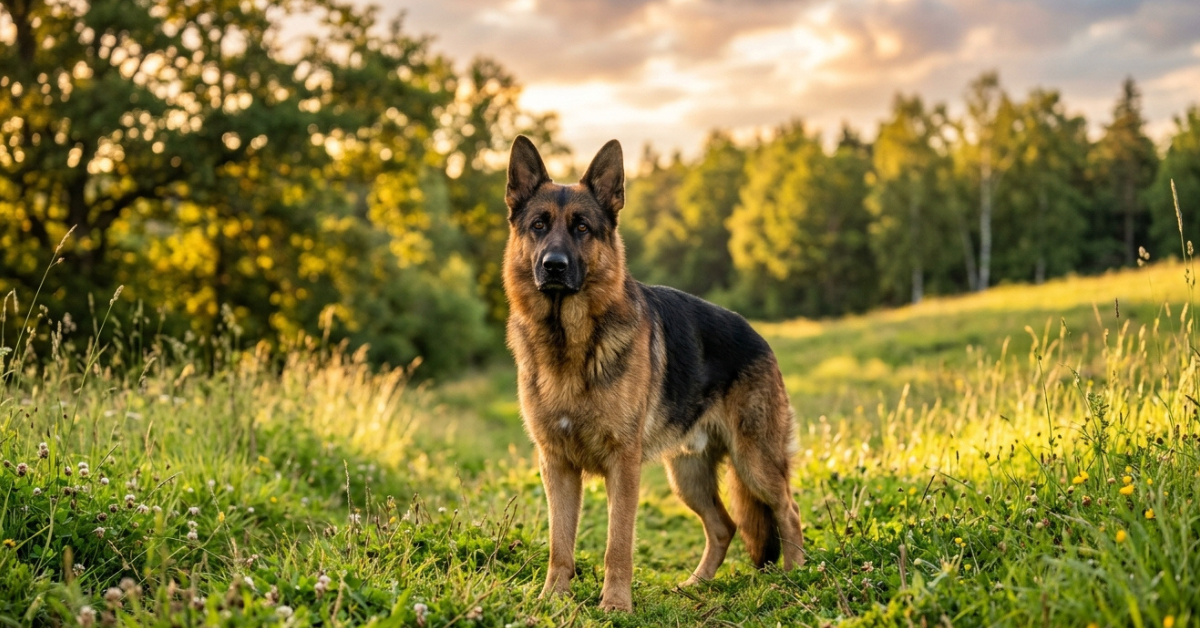
German Shepherds have this special ability to become more than just a dog they turn into true family members and protectors. Whether you’re considering bringing home a German Shepherd puppy or you’re already living with one, this intelligent and versatile breed continues to rank among the world’s most popular dogs for good reason.
A Rich History That Shaped the Breed
Originally developed in Germany in the late 19th century by Captain Max von Stephanitz, the German Shepherd (Deutscher Schäferhund) was created as an all-purpose herding and working dog. Von Stephanitz focused on intelligence, strength, and loyalty. The breed quickly proved its worth during World War I as messenger and rescue dogs. After the war, stars like Rin Tin Tin made German Shepherds famous worldwide, especially in the United States.
Today, German Shepherd dogs serve in police K9 units, military operations, search-and-rescue missions, service work, and as devoted family companions.
Physical Characteristics and Appearance
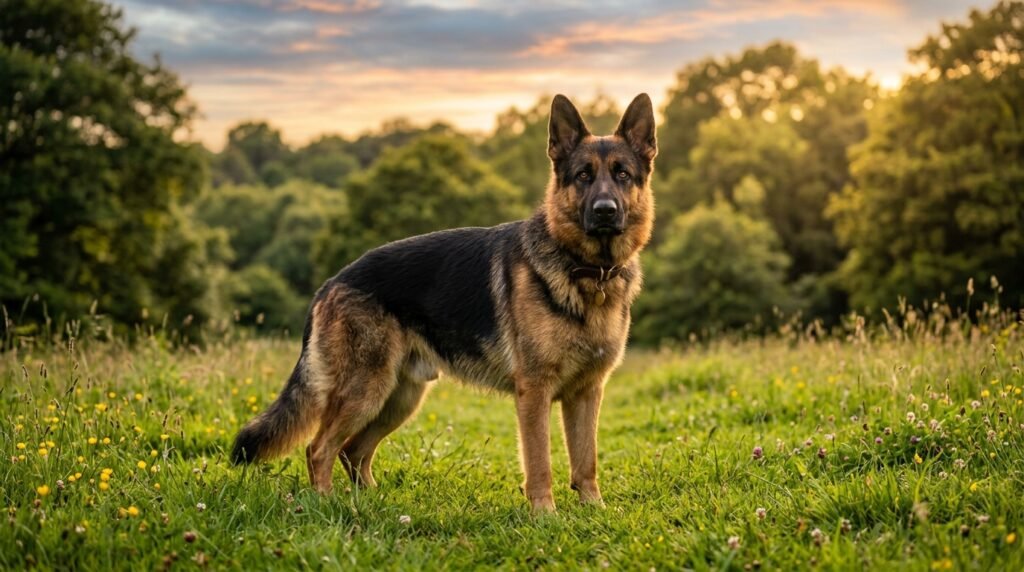
German Shepherds are medium-to-large dogs, typically standing 22–26 inches tall and weighing 65–90 pounds. Their signature look includes a noble head, upright ears, and an alert expression that shows their sharp intelligence.
The most common coat is the classic black and tan, but they also appear in sable, solid black, and white. They have a dense double coat that sheds heavily, especially during seasonal blows. Their athletic build makes them excellent at running, jumping, and working long hours.
Temperament: Loyal, Intelligent, and Protective
One of the biggest reasons people love German Shepherds is their deep loyalty. They form incredibly strong bonds with their families and are often described as “velcro dogs” because they want to stay close.
Well-bred German Shepherds are confident, courageous, and naturally protective without being unnecessarily aggressive. They’re highly intelligent often ranking in the top three smartest dog breeds which means they learn commands fast but also need mental stimulation to stay happy. Bored German Shepherds can become destructive or develop anxiety.
They’re great with children when properly socialized, but they do best with owners who provide clear leadership and consistent training.
Training, Exercise, and Daily Care
German Shepherds thrive when given a job. Whether it’s advanced obedience, scent work, agility, or simple daily training sessions, they love having purpose.
Daily exercise is non-negotiable think long walks, hikes, fetch, or backyard play. Without enough physical and mental activity, they can develop behavioral issues.
Grooming-wise, expect heavy shedding. Regular brushing (several times a week) helps control loose hair. High-quality food, joint supplements, and routine vet check-ups are important because the breed can be prone to hip dysplasia, elbow issues, and bloat.
Health Considerations for Responsible Owners
Like many large breeds, German Shepherds have some genetic health concerns. Reputable breeders screen for hip and elbow dysplasia. Choosing a puppy from health-tested parents greatly improves the chances of a long, healthy life (average lifespan is 9–13 years).
Conclusion
In the end, German Shepherd dogs are not the right choice for everyone, but they can be absolutely perfect for the right person or family. They reward dedicated owners with unmatched loyalty, intelligence, courage, and affection.
If you’re an active individual or family willing to invest time in training, exercise, and socialization, a German Shepherd can become your most trusted companion and guardian for years to come. Do thorough research, find ethical breeders or consider adoption from German Shepherd rescues, and prepare for a dog that will truly become part of your family.
These majestic, hardworking dogs have been by humanity’s side for over a century and once you experience the bond with a well-raised German Shepherd, it’s easy to understand why they remain one of the most beloved breeds in the world.
CLICK HERE FOR MORE BLOG POSTS