
 By Maria apk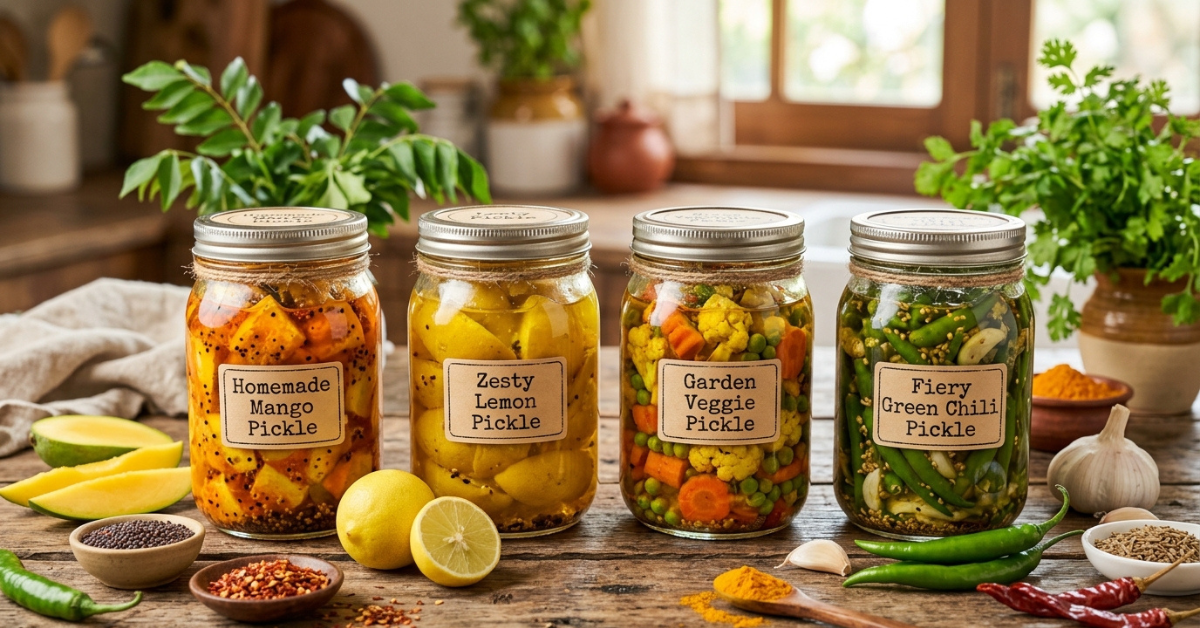
Pickles have that magical ability to turn an ordinary meal into something crave-worthy. One crisp, tangy bite can elevate a burger, cut through the richness of a sandwich, or satisfy a snack attack like nothing else. Whether you’re a lifelong dill devotee or just discovering the world of fermented flavors, there’s more to these humble preserved vegetables than meets the eye. After decades of exploring food traditions and preservation techniques, I’ve come to appreciate pickles not just as a condiment, but as a testament to human ingenuity in making the most of what we have.
In this guide, we’ll dive deep into their fascinating history, the different types you’ll find (and love), their real health impacts, and practical ways to make your own at home. By the end, you’ll have everything you need to enjoy pickles with confidence—and maybe even start your own jar.
A Brief History of Pickles: Over 4,000 Years in the Making
Pickling isn’t a modern trend; it’s one of humanity’s oldest food preservation methods. Evidence points back to around 2400 BCE in ancient Mesopotamia, where people soaked vegetables in brine or vinegar to extend their shelf life. Cucumbers, native to India, were being pickled in the Tigris Valley by 2030 BCE.
The practice spread widely. Cleopatra reportedly credited pickles with her beauty and health. Julius Caesar fed them to his soldiers for strength. During the Age of Exploration, pickled foods helped sailors combat scurvy on long voyages. In America, European settlers brought their traditions, and by the 19th century, pickles were a pantry staple. Today, companies like Mt. Olive have turned local cucumber farming into a beloved national industry since 1926.
The word “pickle” itself comes from the Dutch pekel or German pókel, meaning brine or salt—key ingredients in the process. What started as necessity evolved into a global culinary art, with countless regional variations.
Understanding Pickles: Vinegar vs. Fermented
Not all pickles are created equal. The two primary methods produce distinctly different results:
- Vinegar Pickles (Quick Process): These are the most common store-bought variety. Cucumbers (or other veggies) are soaked in a hot vinegar, salt, and spice brine. They’re ready in days or weeks, with a bright, tangy flavor and consistent crunch. No live cultures here, but they’re shelf-stable and versatile.
- Fermented Pickles (Lacto-Fermentation): These use a simple saltwater brine. Beneficial lactobacillus bacteria naturally present on the cucumbers convert sugars into lactic acid, creating that deep, complex sourness over days to weeks. They’re probiotic-rich, often called “half-sours” or full sours, and deliver gut-friendly benefits. Look for bubbles in the jar as a sign of active fermentation.
Pro Tip: If you see “naturally fermented” on the label and no vinegar in the ingredients, you’re getting the live-culture version.
Popular Types of Pickles and How to Use Them
Dill Pickles: The classic. Flavored with dill seed or fresh dill, garlic, and spices. Kosher dills follow specific Jewish dietary traditions but are loved universally for their bold, garlicky taste. Perfect on burgers, in tuna salad, or straight from the jar.
Sweet Pickles and Bread & Butter: These balance tang with sugar and warm spices like turmeric, mustard seed, and celery seed. Bread and butter pickles (named for their Depression-era pairing with simple sandwiches) are thinly sliced and especially great with cheese or in potato salad. Sweet gherkins are smaller and often whole.
Gherkins: Petite cucumbers (or sometimes other veggies) packed whole. They’re crunchy and often sweeter or spicier.
Other Varieties: Spears for sandwiches, chips for burgers, relish for hot dogs, and creative options like pickled okra, beets, or even pineapple. Experiment with spicy versions or reduced-sodium/low-sugar options if you’re watching intake.
Health Benefits of Pickles: The Good, the Balanced View
Pickles start as nutrient-dense cucumbers, so they retain some benefits:
- Low-Calorie Snack: Mostly water, high in fiber, with vitamins A, K, and some potassium and antioxidants like beta-carotene.
- Gut Health (Fermented Only): Probiotics support digestion immunity, and microbiome balance—similar to yogurt or kimchi.
- Hydration and Electrolytes: Pickle juice can help with muscle cramps, rehydration after workouts, and possibly blood sugar stability due to vinegar.
- Antioxidants: May help combat oxidative stress and support overall wellness when part of a varied diet.
Important Caveats: Most pickles are very high in sodium, which can impact blood pressure, especially for those with hypertension or kidney issues. Enjoy in moderation. Vinegar pickles lack probiotics, and overconsumption of any high-salt food carries risks. Low-sodium or homemade versions give you better control.
How to Make Pickles at Home: Easy Recipes for Beginners
Making your own is rewarding, cost-effective, and lets you customize flavors. Here are two approachable methods.
Quick Refrigerator Dill Pickles (No Canning Needed)
- Ingredients (for 1 quart jar): 1 lb small pickling cucumbers (Kirby or similar), 1 cup vinegar, 1 cup water, 1.5 tbsp kosher salt, 2-3 garlic cloves, fresh dill, mustard seeds, black peppercorns.
- Steps: Slice cucumbers into spears or chips. Heat brine ingredients until salt dissolves. Pack jar with cucumbers, spices, and dill. Pour hot brine over, cool, and refrigerate. Ready in 24-48 hours; best after a few days. Keeps for weeks.
Fermented Dill Pickles (Probiotic Power)
- Use a 3-5% saltwater brine (about 2-3 tbsp salt per quart of water). Submerge cucumbers with dill, garlic, and spices. Weigh down to keep submerged. Ferment at room temperature (around 68-75°F) for 3-7 days, tasting daily. Burp the jar if needed. Refrigerate when sour enough.
Key Tips for Success:
- Choose firm, fresh pickling cucumbers—avoid waxed ones.
- Use non-iodized salt.
- For crispness, add grape leaves, oak leaves, or a bit of calcium chloride (pickle crisp) if desired.
- Always use clean equipment to avoid bad bacteria.
Start small and scale up. Home fermentation connects you to centuries of tradition while giving superior flavor.
Beyond Cucumbers: Expanding Your Pickling Horizons
Don’t stop at cucumbers. Carrots, cauliflower, onions, green beans, radishes, and even fruits like pineapple or cherries take beautifully to pickling. Mix and match spices for global twists—think Indian-inspired with turmeric and chili or Middle Eastern with coriander.
CONCLUSION
In a world of processed foods, pickles remind us of simple pleasures and smart preservation. They add excitement to meals, support gut health (when fermented), and bring history to your table. Whether you buy quality jars or craft your own, they’re a low-effort way to boost flavor and nutrition.
CLICK HERE FOR MORE BLOG POSTS